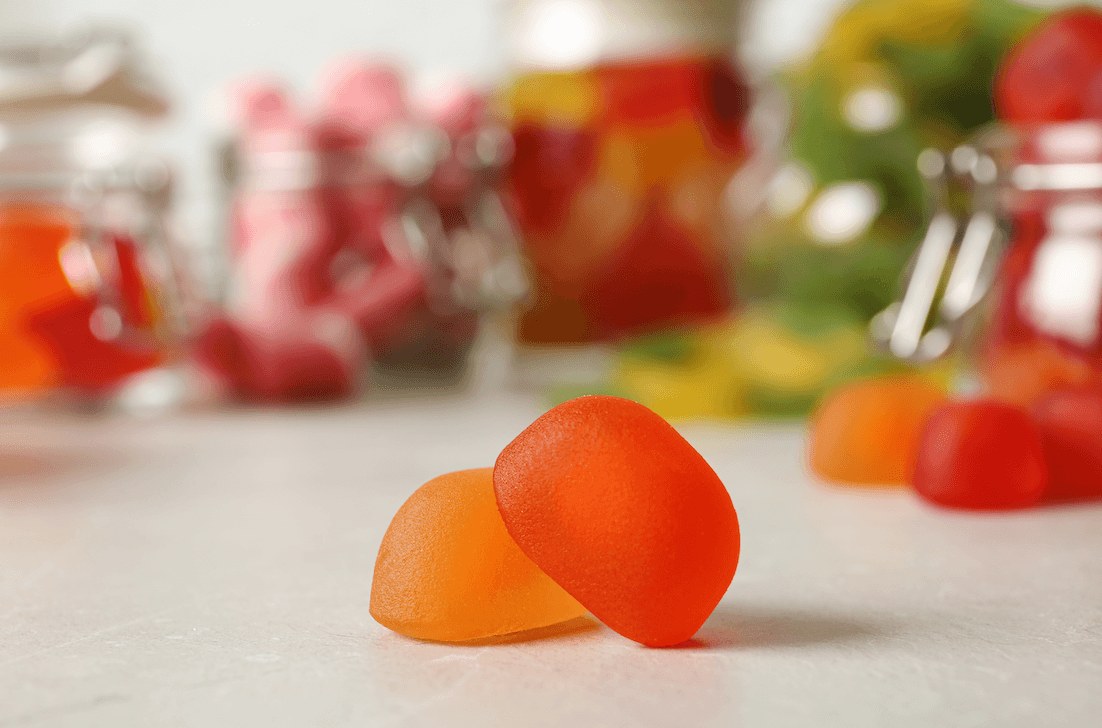
Why the format keeps growing.
Compliance is the whole argument. A supplement only works if it is taken, and the shelves are full of half-used bottles bought with good intentions. A gummy gets taken because it is pleasant, which turns a product people believe in into a product people finish and reorder.
It also reaches buyers other formats do not. People who cannot swallow capsules, people buying for children, and people who simply do not want a pill routine are a large market, and for a long time nobody was selling to them properly.
The result is that gummies stopped being a novelty line and became the format a brand launches in. That changes the question from whether to make one to how to make one that survives its own shelf life.
The trade-offs worth knowing.
Dose per gummy is limited. A gummy holds far less active than a capsule of the same weight, so a formula that needs a high dose either becomes two or three gummies a day or does not become a gummy at all. Decide that early, because it changes the price per serving and the pack size.
Not every active survives the process. Gummies are cooked, and heat, moisture and pH all have opinions about what you put in them. Some vitamins need an overage to still be at label claim at the end of shelf life. Some botanicals taste like exactly what they are and need masking.
Sugar-free behaves differently. Sugar is not only flavour in a gummy, it is structure and preservation, and taking it out changes texture, shelf life and how the product handles heat in transit. It is entirely doable, and it is not a swap you make on the label alone.
Getting a first batch right.
Taste the samples in the pack they will ship in, not from a lab jar. Gummies pick up flavour and moisture from their packaging, and a product that is perfect on day one and disappointing in month four is a returns problem rather than a formulation success.
Ask for stability data before you commit to a shelf life, and ask what the overage is and why. A manufacturer who can answer both without hesitation has made your product before.
Then keep the first run small. Flavour is the one thing customers will tell you about immediately, and it is much cheaper to change after five thousand units than after fifty.